Standby Generators: The Essential Fix for Uninterrupted Power Supply
Backup generators are an important shield against power interruptions. They function seamlessly, activating within seconds when power fails. Fueled by various energy sources, the generators ensure operations continue in times of crisis. Yet, grasping their utility and characteristics is crucial to reaching an informed decision. Which factors must be reviewed prior to purchasing such a system? The subsequent parts examine these crucial elements.
How Standby Generators Work: How They Work
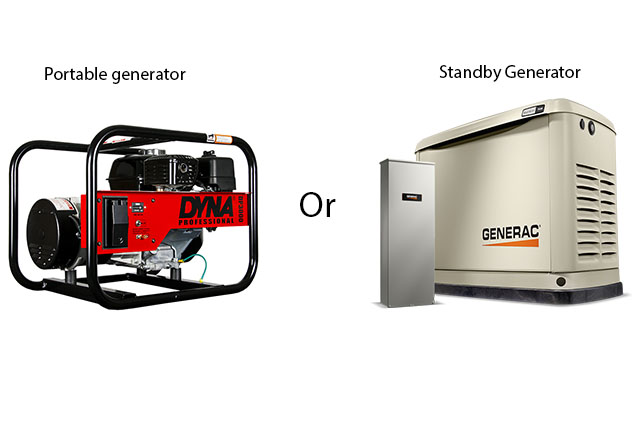
Automatic generators are vital systems that provide automatic backup power during power losses. These units are usually placed outside a home or building, wired into the power grid and fueled by natural gas, propane, or diesel. Should the power fail, a standby generator detects the loss of electricity and starts up instantly. This mechanism requires an automatic transfer switch, which disconnects the home from the grid and switches the load to the generator
(Portland Standby Generators)The unit subsequently generates power, providing energy to critical systems or the complete structure, based on its size. Typically, these generators have an internal tracking mechanism that guarantees proper functioning and upkeep. These units run for long durations, offering a constant energy supply until the main grid is back online. Understanding the mechanics behind standby generators helps homeowners appreciate their role in boosting electricity safety and minimizing disruptions when the power suddenly fails
Benefits of Installing a Standby Generator
Reliability is a significant advantage of installing a standby generator, because it provides constant power during blackouts. This vital function guarantees continuous operation for properties, protecting valuable assets and upholding livability. Additionally, standby generators enhance safety by preventing power outages that could lead to hazardous situations, such as pipe damage or critical device shutdowns.
Value for money is a further advantage; while the initial investment may be high, the future financial benefits from avoided food spoilage, disrupted workflow, and urgent maintenance can be remarkable. In addition, standby generators increase property value, which makes them an appealing amenity for future homeowners.
Convenience is also notable, as they start up on their own during an outage, eliminating the need for hands-on operation. This uninterrupted functionality allows users to maintain their daily routines without disruption. Overall, installing a standby generator delivers reassurance, assuring that power is always available when critical.
Key Features to Look for in a Generator Unit
In the process of picking a standby generator, multiple important characteristics need to be taken into account to ensure optimal operation and matching the intended purpose. Initially, the wattage capacity is crucial; buyers must calculate the necessary power to support essential appliances during an outage. Furthermore, the fuel type—whether natural gas, LP, or diesel—impacts performance and operational costs.
An additional key element is the automatic transfer mechanism, which allows for effortless switching and improves security. The robustness and construction quality are also important; a well-built system can cope with extreme weather.
Furthermore, how loud it is needs evaluation, as quieter models are preferable for neighborhood settings. A few units provide automatic start discover this capabilities, offering ease of use during sudden power failures. Finally, warranty and service options must be examined, providing reliable support and maintenance. Through assessing these characteristics, future owners can pick a unit that satisfies their specific energy requirements efficiently.
Elements to Evaluate Before Purchase
Prior to purchasing a standby generator, potential buyers should diligently assess several essential factors to confirm they arrive at an educated choice. Portland Standby Generators. Initially, they must assess their power needs by estimating the needed power to power essential devices during an outage. Following this, the type of fuel is critical; options include natural gas, propane, or diesel, each possessing specific upsides and supply concerns
Moreover, customers need to examine the generator's power switch mechanism, which allows for smooth energy changeover. Installation requirements are crucial factors, as some generators could demand professional installation or the securing of permits
Service agreements and warranties deserve close attention, since they significantly affect how satisfied you are in the long run. To conclude, buyers need to assess the generator's noise levels, particularly if they reside in a housing development. By examining these factors, customers may pick a backup power unit that fulfills their specific needs and preferences
Standby Generator Maintenance Guide
Consistent upkeep is vital to ensure optimal functioning and longevity of a standby generator. Start by examining how much oil the generator has, and swap out the oil and filter according to the manufacturer's recommendations. Inspect the air filter often replacing it if required to ensure proper air circulation. It is crucial to check the battery and remove any terminal corrosion to maintain reliable starting power.
Conduct periodic load tests to confirm the generator can handle the capacity it is rated for. Additionally, verify that no obstructions or leaks exist in the exhaust system. Ensuring the generator is clean and clear of debris will help prevent overheating and other issues.
Finally, schedule professional maintenance at least once a year to address any potential problems and perform in-depth inspections. By using these maintenance practices can greatly extend the lifespan of a standby generator, giving you confidence during electrical failures.
Frequently Asked Questions
What is the Average Cost of Standby Generators?
Standby generators typically cost between $2,000 and $15,000, depending on factors such as power output, brand, and installation complexity. Other expenditures might cover maintenance, permits, and the cost of fuel tanks, which impacts the overall cost.
Is Self-Installation of a Standby Generator Possible?
Self-installation of a backup generator is feasible, though it demands familiarity of electrical systems and local codes. Many recommend employing a specialist to ensure security, conformance, and the best operation of the generator installation.
Which Types of Fuel Power Standby Generators Use?
Standby generators commonly run on energy sources such as gasoline, propane, natural gas, or diesel. Portland Standby Generators. The choice of fuel is usually determined by the cost, availability, and particular power requirements, which impacts the functioning and efficacy of the generator
Do I Need Permits for Installation?
Yes, permits are often required for the installation of standby generators. Regulations vary by location, so it is crucial for contractors or homeowners to check with local governing bodies to guarantee compliance with all relevant codes and requirements.
What is the Maximum Continuous Runtime Continuously?
A standby generator can run continuously for different lengths of time, typically ranging from 24 to 48 hours, depending on fuel supply and load demands. Consistent servicing provides peak performance and longevity during prolonged periods of use.